How great Masters of photography can influence our work
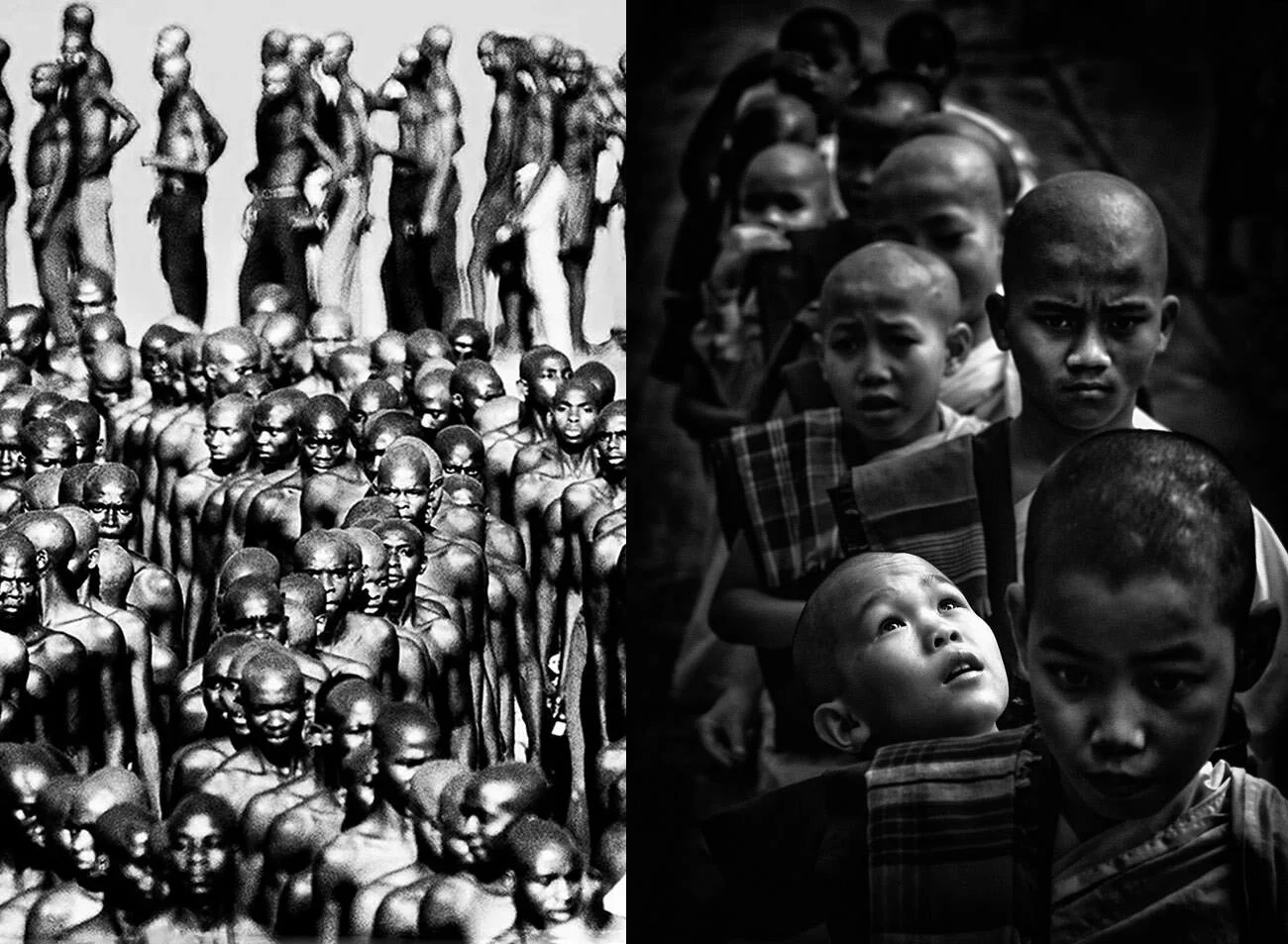
More and more young people are attracted to photography, due to the digital advantages of taking pictures without film or directly with a smartphone. The democratization of this tool - a good thing in my opinion - if on the one hand allows a lot of people in having fun, on the other hand makes it difficult to understand what a good picture is.
I am often asked, especially by young students doing a Photo Tour in Venice with me, what makes a good picture, and how they could learn to get one. In this case, I usually ask them which are their favourite photographers and the names I got are “photographers” obscure to me, but may be “famous” on instagram or on facebook or somewhere else on the internet.
When I started studying photography I learnt by heart the trilogy of Ansel Adams, and I spent a lot of time in the bookstore near where I lived, looking at the books - I couldn’t afford to buy - of great masters. I was in love with Robert Frank and Henry Cartier-Bresson, and anyway the choice in the bookstore was always among the big names, photo world legends.
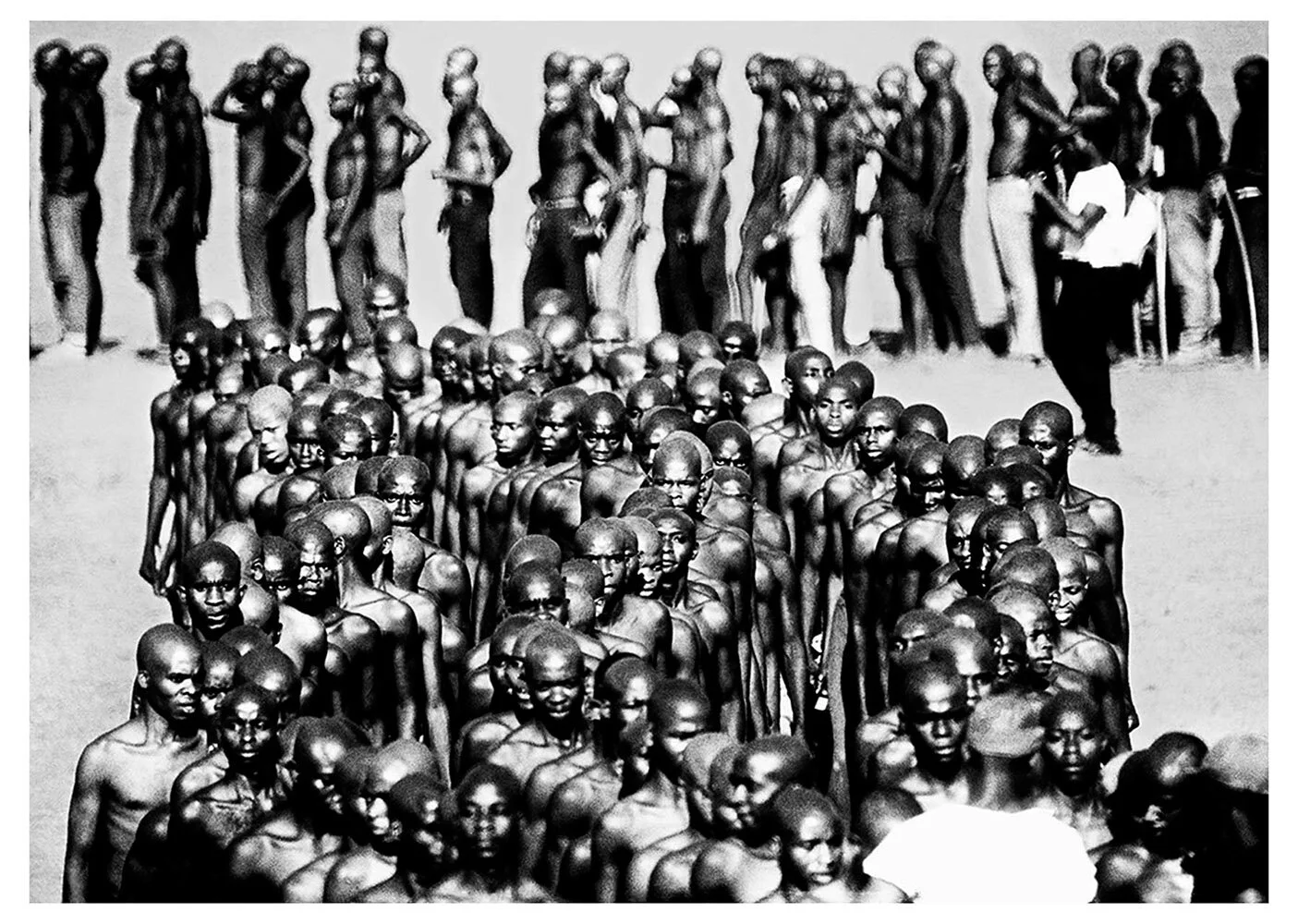
Romano Cagnoni. Recruits in Biafra
This is how a lot of great shots remained in my mind and sometimes, when in need, they came back and bite me. This is such the case: years ago I was in the Mahagandayon Monastery in Burma and I was told that the monks will line up for lunch before noon. Immediately I recognized the picture of Romano Cagnoni (unfortunately I never met him, I just saw his pictures on books), taken in Biafra and among thousands of possible shots I went looking for this one.
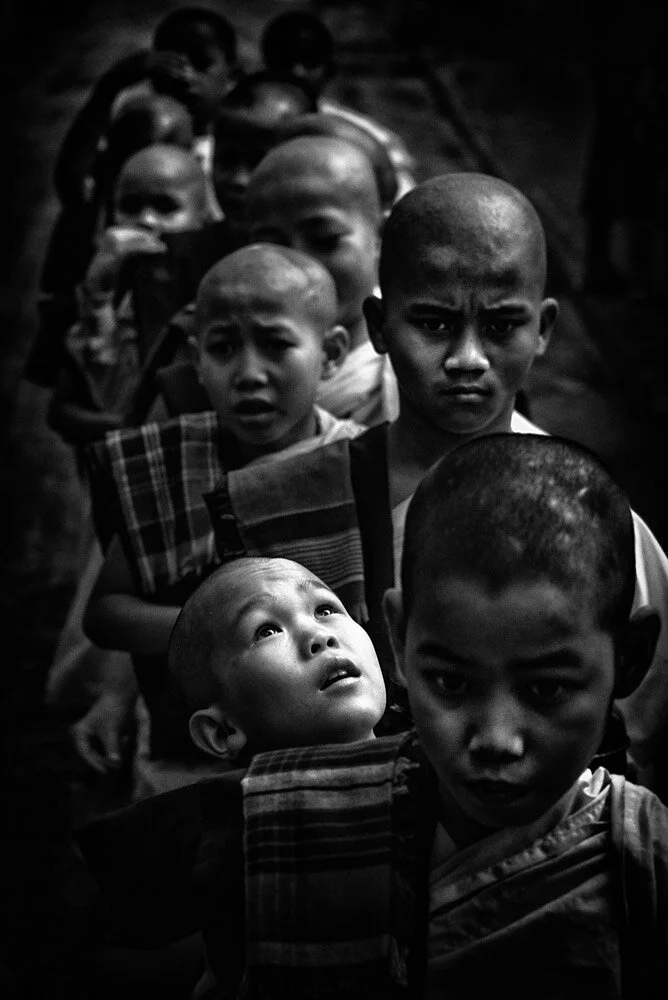
Monks, Mahagandayon Monastery, Burma
Of course, the situation is different, light is different and people too, compared to the Romano Cagnoni’s picture, but when you look for excellence, it’s better to have excellent mentors.
By the way, I recently saw this Monastery listed on Tripadvisor as touristic attraction, I guess it’s not a good thing…